Secrets of Clairvaux Abbey: Seal Skins, Sacred Books, and the Medieval Global Trade Web

Key Points:
  • Quite a Surprise

    It turns out many 12th-13th century books from the Cistercian Abbey at Clairvaux weren't just covered in standard leather; they had outer protective layers (called chemises) made using seal skins.

  • From Far, Far Away

    And these weren't local seals, either. The skins actually travelled thousands of kilometers, coming all the way from the North Atlantic and even the Arctic – places like Scandinavia and Greenland.

  • High-Tech Detective Work

    Scientists figured this out using modern methods like protein analysis (ZooMS) and checking ancient DNA (aDNA). This helped them nail down the exact seal species (including Arctic ones like harp and bearded seals) and figure out where they originally came from.

  • Plugged into Global Trade

    Finding these imported skins really shows that Clairvaux Abbey, even though it was inland, was deeply connected to huge, long-distance trade routes crisscrossing medieval Europe, linking the resources of the North to the continent.

  • Rethinking Self-Sufficiency

    This makes us reconsider the common idea that Cistercian monks were totally self-sufficient. It's clear their economic life was more complex, and they weren't just relying on local materials.

  • What Stuff Tells Us

    Lastly, the study really drives home how important it is to look at the actual physical materials (that's the field of biocodicology). These objects hold clues about economic and cultural history that old documents often miss, essentially turning the books into 'biological archives'.

Medieval books fascinate as carriers of knowledge and testaments to the culture of past ages. We usually imagine that the materials used for their production, such as skins for bindings, came from local sources. However, this image was recently challenged by a groundbreaking discovery concerning the Cistercian Abbey of Clairvaux, the spiritual heart of the Champagne-Ardenne region.

 A study published in Royal Society Open Science revealed that many 12th- and 13th-century Cistercian manuscripts possessed external covers (chemises) made not from local animal skins, but from a surprising material – seal skins, imported from the far North: the North Atlantic and the Arctic.

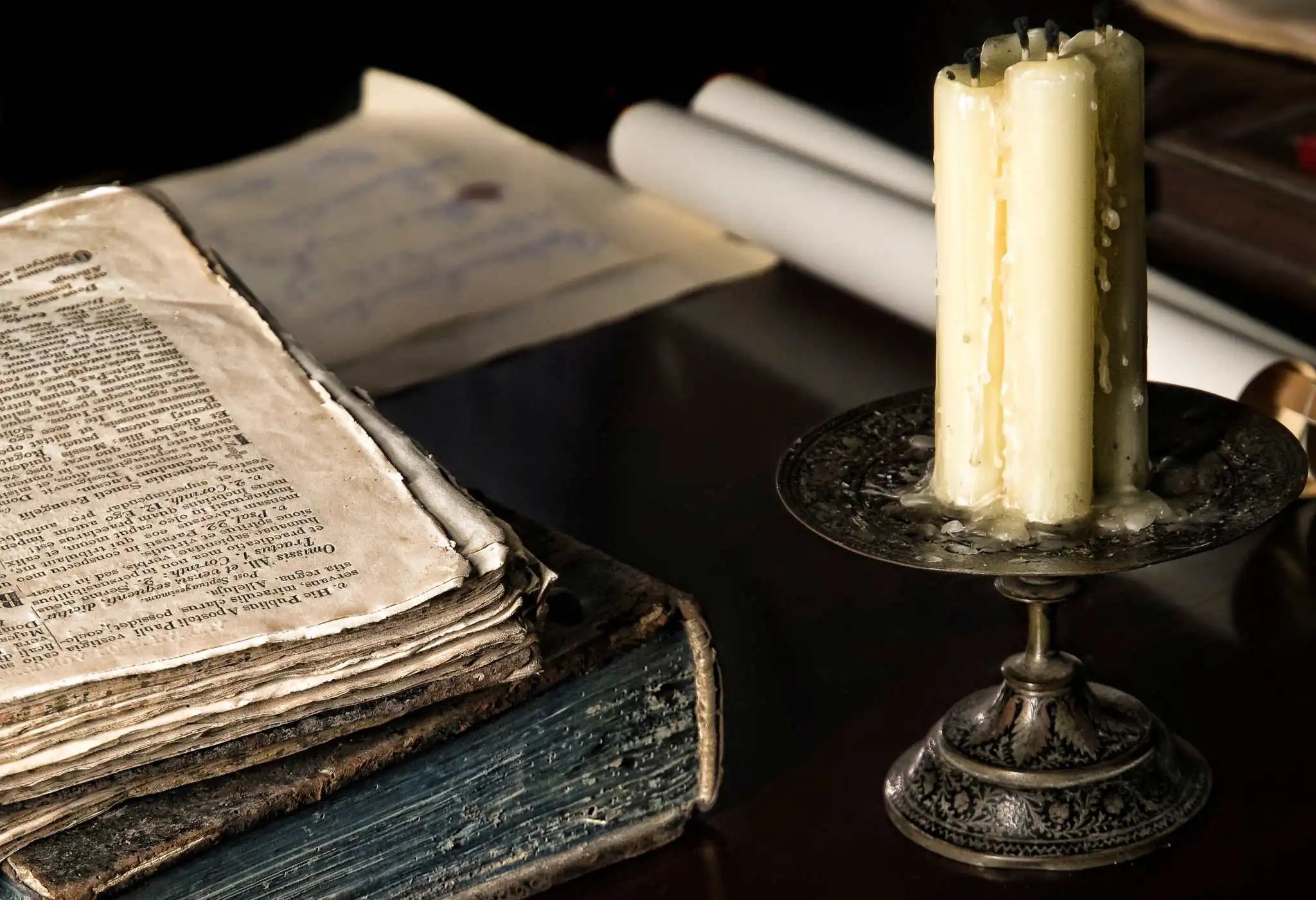
Old books
PMRMaeyaert, CC BY-SA 4.0 , via Wikimedia Commons

This discovery shakes the previous perception of the self-sufficiency of medieval monasteries, especially the Cistercians, known for their ideals of simplicity. The fact that raw material from subpolar waters was used in a monastery deep inland testifies to the existence of extensive medieval trade routes and the deep integration of monastic communities into these global (for the time) exchange networks. 

The history of the book and the material culture of the Middle Ages have gained a new, intriguing dimension. In this article, we will look closer at this discovery, the research methods, the historical context of Clairvaux, potential trade routes, and the broader implications for understanding trade in the Middle Ages and monastic life.

Romanesque binding from Clairvaux - royalsocietypublishing.org

A Discovery Hidden in Plain Sight: Pinnipeds in the Clairvaux Abbey Library

The source of the revelation is the study „Hidden in plain sight…”, focusing on 12th- and 13th-century Cistercian manuscripts, mainly from the rich library of Clairvaux Abbey, but also from its daughter houses. Attention was drawn to books with characteristic, „hairy” outer covers – chemises, meant to protect the main binding. For a long time, it was assumed they were skins of local deer or roe deer. However, the ambiguity of visual examination prompted scientists to use biomolecular methods.

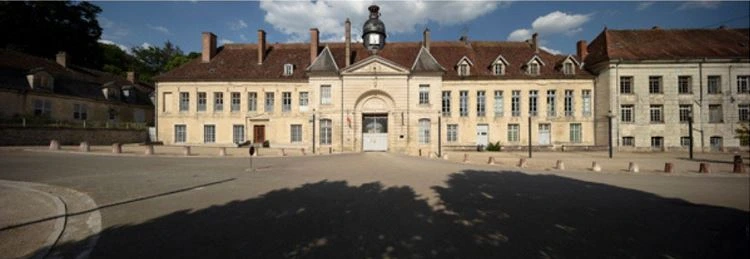
Clairvaux Abbey Champagne France
PMRMaeyaert, CC BY-SA 4.0 , via Wikimedia Commons

The key conclusion was that most of the studied chemises were made from the skins of pinnipeds (seals). Preliminary analysis of 19 bindings using the eZooMS technique (non-invasive protein analysis) indicated 7 cases of pinniped origin. Further, precise analysis of ancient DNA (aDNA) in 5 cases confirmed and detailed these findings. Importantly, a broader survey of collections revealed a total of 43 medieval books with seal skin bindings (chemises), all linked to the Clairvaux network. This proves it was an established, though undocumented, bookbinding practice requiring regular supplies of the raw material.

Thanks to the analysis of ancient DNA (aDNA), it was possible to identify the specific seal species whose skins were used.

 These were primarily:

The Seal
The Seal of Medieval Cover Heroines
  • Harbour seal (Phoca vitulina)
  • Harp seal (Pagophilus groenlandicus)
  • Moreover, at least one instance of the use of bearded seal (Erignathus barbatus) skin, a typically Arctic species, was identified. 

The identification of clearly northern species rules out confusion with local mammals. Even more astonishing were the results concerning geographical origin. Comparison of aDNA from the studied skins with genetic profiles of modern populations pointed to regions of the North Atlantic and Arctic: Scandinavia (Norway, Denmark), Scotland, Iceland, and Greenland. This constitutes irrefutable evidence of transport or exchange routes spanning thousands of kilometers.

There are also indications (stitch marks on other bindings) that this practice might have been even more common in the past. It seems its peak occurred around the year 1200, followed by a decline before 1300, possibly related to changes in trade or environmental factors (onset of the Little Ice Age).

Science Meets History: Biomolecular Techniques in Manuscript Research

The discovery of seals at Clairvaux was possible thanks to a new field – biocodicology, treating books as biological archives. Two key techniques were employed: ZooMS (protein analysis) and ancient DNA (aDNA) analysis.

ZooMS identifies species based on the „fingerprint” of the collagen protein – an exceptionally durable component of skin. The method involves extracting collagen (even non-invasively via rubbing with an eraser in the eZooMS version), cutting it into peptides, and measuring their masses using a mass spectrometer. The resulting mass pattern is compared to databases. In the study, eZooMS served as a rapid screening tool to identify pinniped samples, and in one case even identified a bearded seal.

aDNA analysis, although more challenging due to degradation and contamination risks of genetic material, provides much more information. It allows precise species identification, study of kinship, and crucially here, tracing geographical origin by comparison with modern populations. It requires specialized laboratories and advanced DNA sequencing techniques (NGS). In the Clairvaux case, aDNA analysis confirmed the ZooMS results and provided key data on the species and their origins from the North Atlantic and Arctic.

The combination of both methods was key to success: rapid screening with eZooMS and in-depth analysis of selected samples using aDNA. This is a model example of the effective use of complementary biomolecular manuscript research techniques in uncovering the past.

Clairvaux Abbey and Cistercian Book Culture (12th-13th Century): The Context of the Discovery

Clairvaux Abbey Champagne
G.Garitan, CC BY-SA 4.0 , via Wikimedia Commons

To fully understand the significance of this discovery, it’s essential to consider the context of Clairvaux Abbey and Cistercian book culture, which is notable for several reasons

  • Founded in 1115 by St. Bernard of Clairvaux – the abbey became one of the most important centers of the Cistercian order.
  • It established numerous daughter houses across Europe, spreading its influence
  • Its library was among the finest in the Middle Ages
  • The library already held around 350 books by the end of the 12th century
  • Over 1100 medieval codices from Clairvaux survive today, making it the best-preserved medieval monastic library in France

Most books were produced in the local, highly productive scriptorium, which likely also shaped the characteristic, restrained Cistercian aesthetic (monochromatic illuminations). Early ideals of the order promoted simplicity, austerity, and self-sufficiency. A preference for white was evident (habits, light-coloured bindings).

In this context, the use of exotic seal skins from the Arctic seems paradoxical. It clashes with the ideal of locality and simplicity. Although the light colour of seal fur might have suited the Cistercian aesthetic, the origin of the raw material itself testifies to the abbey’s involvement in long-distance medieval trade networks. Also puzzling is the complete lack of mention of seal skins in Clairvaux’s rich archives. Was it a commonplace material, or was its origin unknown?

The discovery complicates the picture of Cistercian life. It suggests that ideals could coexist with economic pragmatism. Necessary materials, if unavailable locally, were obtained through existing channels, even if it required import. „Simplicity” might have related more to style than to the origin of all materials. The economic reality of Clairvaux was more complex and integrated with the world than a simplified image might suggest.

The Craft of the Codex: Romanesque Bookbinding Practices in the Context of Seal Skins

How were books bound in the Middle Ages during the Romanesque period (11th-13th c.)? The goal was the robust protection of the parchment block. Typical features of Romanesque binding include: sewing the quires onto thick leather thongs (supports), strong wooden boards (oak, beech) flush with the text block, attaching boards by lacing the thongs through them, a flat spine, covering with tanned or tawed (white) leather from local animals, decoration by blind tooling, and sturdy clasps to prevent parchment deformation.

The Clairvaux bindings with seal skins fit this structural pattern but are distinguished by the additional outer cover – the chemise – made from this „hairy” skin. Why was seal chosen for the chemise? Possible reasons include:

  • Properties: Seal skin might have been perceived as more water-resistant, an advantage in monastic conditions.
  • Aesthetics: The furry texture and light colour could appeal to Cistercian preferences, giving the book a distinctive appearance.
  • Availability: Perhaps these skins were relatively easily accessible through existing trade channels during a certain period.

The use of seal skin for an additional chemise, rather than the main binding cover, suggests it might have been treated as a material for a special purpose – protective or aesthetic. This choice was likely a result of a combination of practical, aesthetic, and economic factors, revealing the complexity of material choices in medieval craftsmanship.

From Arctic Waters to Champagne: Tracing Potential Trade Routes for Seal Skins

The vast distance between the Arctic and Champagne raises questions about the transport mechanisms for seal skins in the 12th-13th centuries. Although direct evidence is lacking, several scenarios seem plausible:

  1. Nordic Trade Routes: Norse (Viking) sailors and merchants controlled North Atlantic routes, exploiting Northern resources (walrus ivory, furs, train oil). Seal skins fit this model perfectly – they could have been brought by Norse ships to North Sea ports.
  2. Ecclesiastical Tithes: Inhabitants of remote regions (Greenland, Iceland) paid dues to the Church in kind, including skins. This way, the raw material could reach ecclesiastical centers in Europe and then monasteries like Clairvaux.
  3. Hanseatic Network: The developing network of Hanseatic cities dominated North Sea and Baltic trade. Key ports like Bruges were transshipment points for goods from the North heading inland. Seal skins could have entered the Hanseatic circuit.
  4. Champagne Fairs: The region of Clairvaux hosted major international Champagne fairs (Troyes, Provins), a trading hub of Europe. Monks from Clairvaux participated, potentially acquiring imported goods there, including skins brought via Nordic or Hanseatic routes.

A multi-stage scenario seems most likely: skins transported by Norsemen reach ports (e.g., Bruges), then travel overland/river routes to the Champagne fairs, where Clairvaux representatives purchase them. This shows the complexity and interconnection of different medieval trade systems, in which even monasteries were actively involved.

Changing the Narrative: Implications of the Discovery for Understanding the Medieval Economy, Trade, and Monasticism

The discovery of seal skin bindings has far-reaching implications:

  • Challenges the myth of monastic self-sufficiency: Shows that even Cistercians, preaching simplicity, were integrated into long-distance trade networks, sourcing imported materials.
  • Reveals the complexity of trade: Attests to long-distance transport of not just luxuries but also raw materials; highlights the importance of Northern resources and the interconnection of different trade systems (Nordic, Hanseatic, fairs, tithes).
  • Revises the picture of monastic economy: Monasteries appear as pragmatic participants in the wider economy, reconciling ideals with the realities of sourcing goods.
  • Emphasizes the role of material culture: Objects become archives of hidden economic and technological histories. Seal skin materializes the connection between the Arctic and the heart of France.
  • Indicates the power of material evidence: Biomolecular analysis reveals realities absent in written sources, forcing a reinterpretation of the economic reach of monasteries.

The question of the monks’ awareness of the skins’ origin remains intriguing. Did they know where they came from, or did only the material properties matter? This highlights the potential „invisibility” of supply chains even in the Middle Ages.

Exotic Threads in the Medieval Fabric: Other Imported Materials in Book Production and Crafts

The use of seal skins, though surprising, fits into a broader context of using imported materials in medieval crafts. The most famous example in medieval book production is lapis lazuli from Afghanistan, yielding the priceless pigment ultramarine. Its use was a conscious display of luxury, its exotic origin part of its value. Other imports included paper (initially from Italy/Spain to Northern Europe) or certain pigments (cinnabar) and dyes (kermes).

Comparing ultramarine and seal skins reveals differences: lapis lazuli was a known luxury, valued for its exoticism, while seal skins, despite long-distance transport, might have been used more utilitarianly, their origin less important or unknown. This shows different categories and motivations within medieval trade – from overt luxury to more hidden resource circulation.

Conclusion: Rediscovering the Medieval Book – Matter, Trade, and Global Connections

The discovery of Arctic seal skin bindings in Cistercian manuscripts from Clairvaux, achieved through biomolecular manuscript research, is groundbreaking. It challenges the myth of monastic self-sufficiency, reveals the complexity of medieval trade, and demonstrates Europe’s deep integration. It underscores the value of interdisciplinary research and the role of material culture as an archive of the past. The medieval manuscript becomes a key to understanding the global connections of its time.

The discovery opens new questions: Was this practice unique to Cistercians? What caused its decline after 1300? Further material studies of books will certainly yield new answers. These „hairy books” remind us that history is written not only in words but also in matter, and reading it allows us to discover a surprisingly connected picture of the medieval world.

Show Comments (0) Hide Comments (0)
Leave a comment

Twój adres email nie zostanie opublikowany. Wymagane pola są oznaczone *